For food lovers on the Sunshine Coast, the appealing world of Italian dining offers a range of experiences, from the comforting hold of tradition to the fresh excitement of current interpretations. But what truly sets classic Italian cuisine apart from its modern Mediterranean Italian counterpart? It’s a journey from the rustic heartlands to the lively coastlines, a tasty progression that honors both heritage and new ideas.
Classic Italian cuisine follows long-standing regional methods, centered on nourishing, straightforward dishes. In contrast, modern Mediterranean Italian dining adopts lighter, more recent ingredients, often from local areas. It offers meals with a fresh style and a focus on seasonal items and health-aware selections, all while respecting real Italian cooking methods.
Introduction
There’s a widespread feeling of eagerness when you sit down for an Italian meal. It starts with the inviting smell of garlic gently sizzling in olive oil, followed by the promise of lively conversation and the warmth of genuine hospitality. This is more than just food; it’s a sensory moment, a memory waiting to be made. It’s a point that connects us to something deeply comforting and satisfying, a core reason why the love for Italian dining is so widespread.
While the heart of Italian cuisine—its focus on quality and taste—remains unchanged, its expression has changed well over time. On one side, you have the valued traditions, the recipes passed down through generations that taste of home and history. On the other, you find lively, new approaches that capture the spirit of today. This is not a contest between old and new, but a wonderful story of cooking development that continues to draw food lovers everywhere.
This tasty contrast gives us two clear yet related styles: the familiar comfort of classic Italian dishes and the exciting, lighter touch of modern Mediterranean Italian dining. Here on the Sunshine Coast, this evolution has made our local food scene richer, providing options for all tastes. This article will explore the pleasant distinctions between these two styles, helping you discover what makes each one so special and what to look for on your next eating adventure.
Key Takeaways
-
Classic Italian cuisine is defined by its strong regional roots, with clear differences between areas like the North and South. It focuses on long-standing recipes and simple preparations that let high-quality ingredients speak for themselves.
-
Modern Mediterranean Italian dining is characterized by a lighter, fresher approach. It heavily features seasonal produce, fresh seafood, and lean proteins, often presented with a creative and artistic style.
-
The dining experience itself often differs. Classic settings can feel like a traditional, family-run trattoria, while modern venues may offer a more sophisticated, design-focused atmosphere that blends coastal style with Italian elegance.
-
Venues like Bianco Italian Cuisine & Bar on the Sunshine Coast skillfully combine these two worlds, offering dishes that honor authentic techniques while celebrating the fresh, local ingredients of our coastal region.
What Defines Classic Italian Cuisine?
At its core, classic Italian cuisine is a celebration of simplicity and place. It’s not one single style but a rich collection of regional customs, each shaped by its unique history, geography, and local produce. Think of the rich, butter- and cream-based sauces of Northern Italy, perfect for fending off the Alpine chill, versus the sun-drenched, olive oil-heavy dishes of the South, bursting with tomato and seafood. This strong regional character is a main point of authentic Italian food.
The second is a philosophy of “less is more.” Classic cooking is all about allowing a few good ingredients to stand out simply. A perfectly ripe tomato, a drizzle of good extra virgin olive oil, a fragrant basil leaf—these are the key elements. Recipes are long-standing and passed down through generations, involving techniques like slow-braising a rich Ragù alla Bolognese for hours or making pasta by hand. This approach creates food that is very comforting and recognizable.
“True Italian cuisine is about the quality of the ingredients and the simplicity of preparation. It’s about letting the food speak for itself, rooted deeply in regional traditions.” – Massimo Bottura
The meal often follows a traditional structure—antipasti to start, followed by primi (pasta or risotto), secondi (meat or fish), contorni (sides), and finally, dolci (dessert)—turning dinner into a relaxed, fulfilling occasion. This structure ensures a balanced and satisfying progression of tastes, from light beginnings to sweet endings, all part of the timeless Italian way of sharing a meal. For example, in Emilia-Romagna, a hearty tortellini in brodo (tortellini in broth) would be a staple primi, reflecting the rich, agricultural heritage, while in Sicily, a pasta alla Norma (pasta with eggplant, tomato, and salted ricotta) would highlight the abundance of Mediterranean produce. These regional variations are the very essence of classic Italian cooking.
What Is Modern Mediterranean Italian Dining?
Modern Mediterranean Italian dining is a lively development of these classic principles, well-suited to current tastes and our coastal way of life. This style takes the essence of Italian cooking—its regard for ingredients—and adds a fresh, light, and new touch. The focus shifts heavily toward the gifts of the coastline and the changing seasons, resulting in dishes that are bright and full of life. It’s a style that celebrates an abundance of fresh vegetables, fragrant herbs, and beautiful seafood, often sourced from local producers right here on the Sunshine Coast.
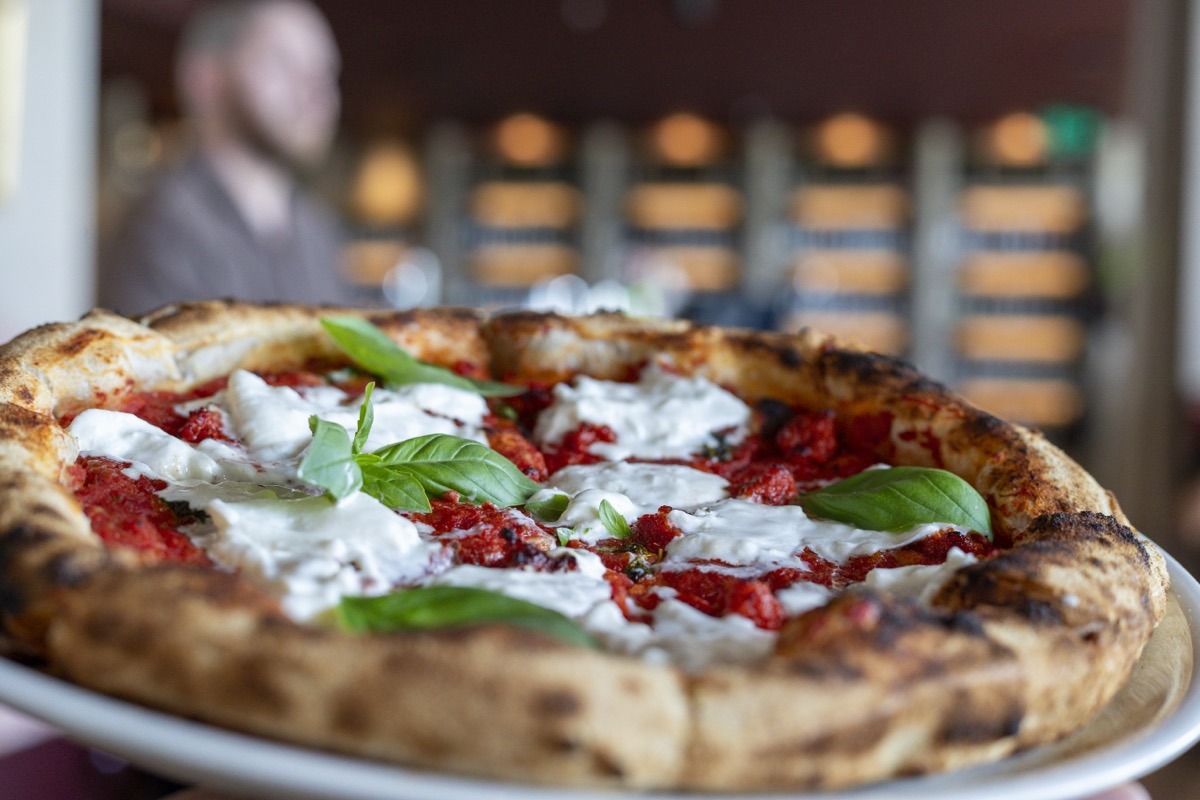
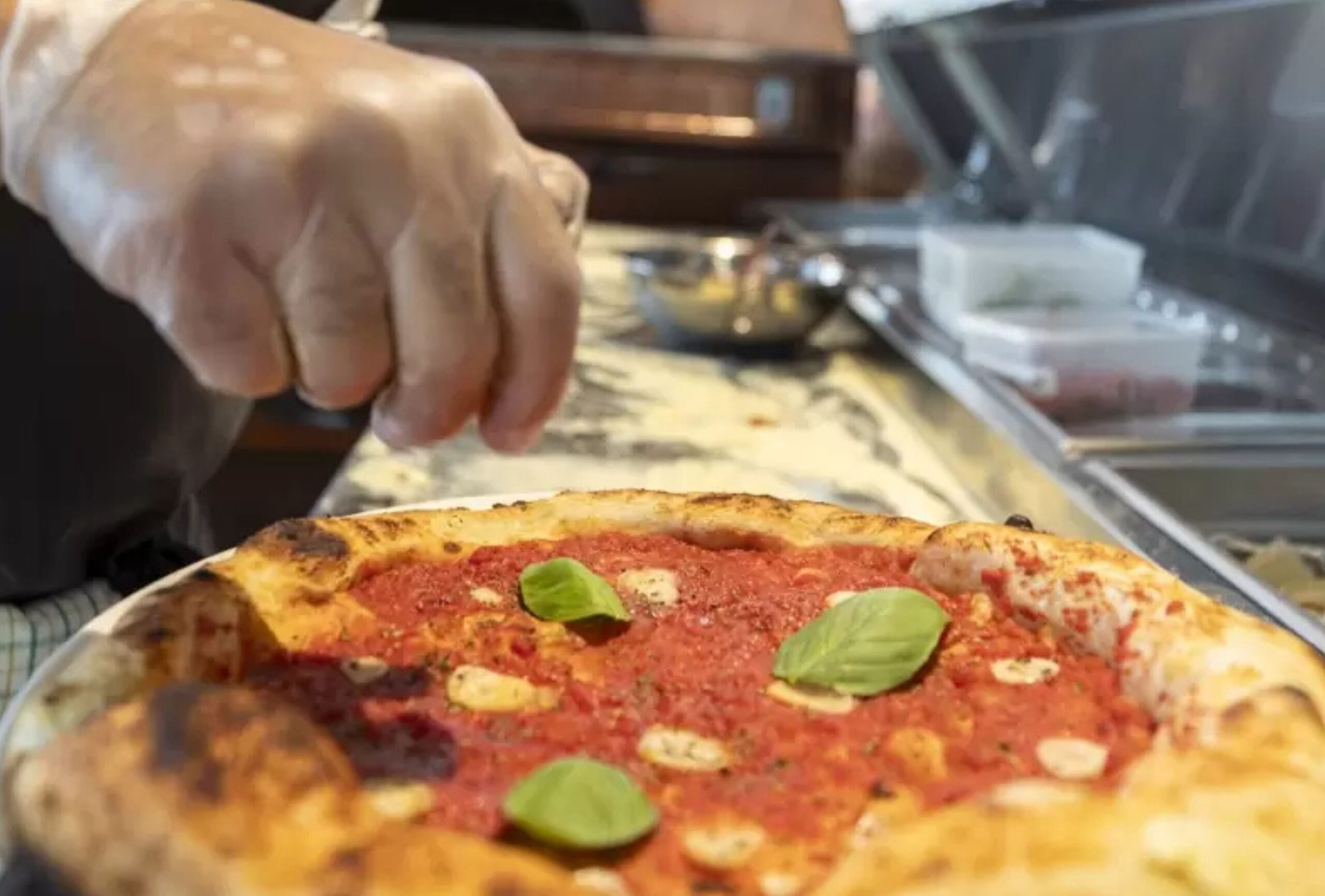
The preparations are often lighter. Instead of slow-simmered, heavy sauces, you might find dishes that are grilled, seared, or finished with fresh, zesty dressings. Traditional recipes are given new meaning with different methods and taste combinations, but always with respect for their Italian origins. This approach also allows for more adaptability, readily fitting current diet needs like gluten-free or vegetarian options without sacrificing taste. The social aspect is also key, with many menus designed for sharing, creating a relaxed and interactive experience. At Bianco Italian Cuisine & Bar, our “Pizza Contemporanea,” with its light, long-fermented dough, and our chargrilled mains perfectly capture this current feeling—honoring Italian technique in a way that feels right at home in Caloundra’s seaside setting. This modern style also emphasizes sustainable practices, using local seafood caught responsibly and seasonal vegetables from nearby farms, connecting diners to the source of their food.
Key Differences In Ingredients and Flavours
The main differences between classic and modern Mediterranean Italian dining emerge when you look at the ingredients and the resulting tastes on the plate. Each style paints a clear image of Italy, one rooted in history and the other inspired by the fresh possibilities of the present.
-
Ingredient Sourcing:
-
Classic Italian cooking traditionally relies on very specific regional ingredients. Think of Prosciutto di Parma, Parmigiano-Reggiano, or San Marzano tomatoes—products deeply tied to their place of origin. The focus is on keeping historical accuracy and distinct geographic origins.
-
In contrast, modern Mediterranean Italian dining adopts an ingredient-focused approach that mixes the best of two worlds. It pairs essential, high-quality imported Italian items with the freshest local produce available, like beautiful seafood and vegetables from Sunshine Coast suppliers. This creates a link between Italian tradition and our local area, highlighting freshness and local availability.
-
-
Flavour Profiles:
-
The tastes in classic cuisine are often deep, strong, and comforting. They are developed through slow cooking, creating a strength that shows careful work and tradition. A classic ragù, for example, is rich and complex, with layers of savory meat and tomato that have simmered for hours.
-
Modern Mediterranean Italian tastes are usually more lively, fresh, and even. There is a greater focus on sharp tang from lemon, herbaceous notes from fresh herbs like basil and mint, and the clean taste of simple, clean ingredients. The tastes are layered but feel lighter on the palate, reflecting the use of fresh, often raw or lightly cooked components.
-
-
Cooking Techniques:
-
Classic techniques often involve slow simmering, braising meats for tenderness, and creating sauces emulsified with starchy pasta water for richness. Examples include Osso Buco (braised veal shanks) or a lengthy tomato sauce simmer.
-
Modern Mediterranean Italian cooking incorporates methods like grilling over charcoal to impart smoky notes, quick sautéing to preserve crisp textures, and searing to lock in natural flavors and moisture. A classic Northern butter-based pasta, like Agnolotti del Plin (small pinched pasta usually served with butter and sage), stands in tasty difference to a modern, light pasta dish tossed with fresh seafood, cherry tomatoes, and chilli, showcasing two brilliant but very different approaches to culinary craft.
-
Presentation and Dining Experience
Beyond the food itself, the way a dish is presented and the overall atmosphere of the restaurant create two very different experiences. Classic and modern Mediterranean Italian dining each offer a distinct journey, one that engages all the senses from the moment you walk through the door.
-
Dish Presentation:
-
Classic Italian dishes are often presented in a rustic, generous style. The focus is on abundance, comfort, and taste, not detailed presentation. You see a hearty bowl of pasta or a substantial slice of lasagna that feels warm and inviting, often served family-style.
-
Modern Mediterranean Italian presentation, however, is typically more artistic and refined. It emphasizes bright colors, fresh garnishes, and a refined look that improves the visual appeal of the meal, making each plate a feast for the eyes as well as the palate. Portions may be more moderate, allowing for enjoyment of multiple courses.
-
-
Ambiance and Atmosphere:
-
A classic restaurant often has the warm, sometimes lively, feel of a traditional “trattoria,” making you feel like part of the family. Expect checkered tablecloths, rustic décor, and a bustling, home-like environment.
-
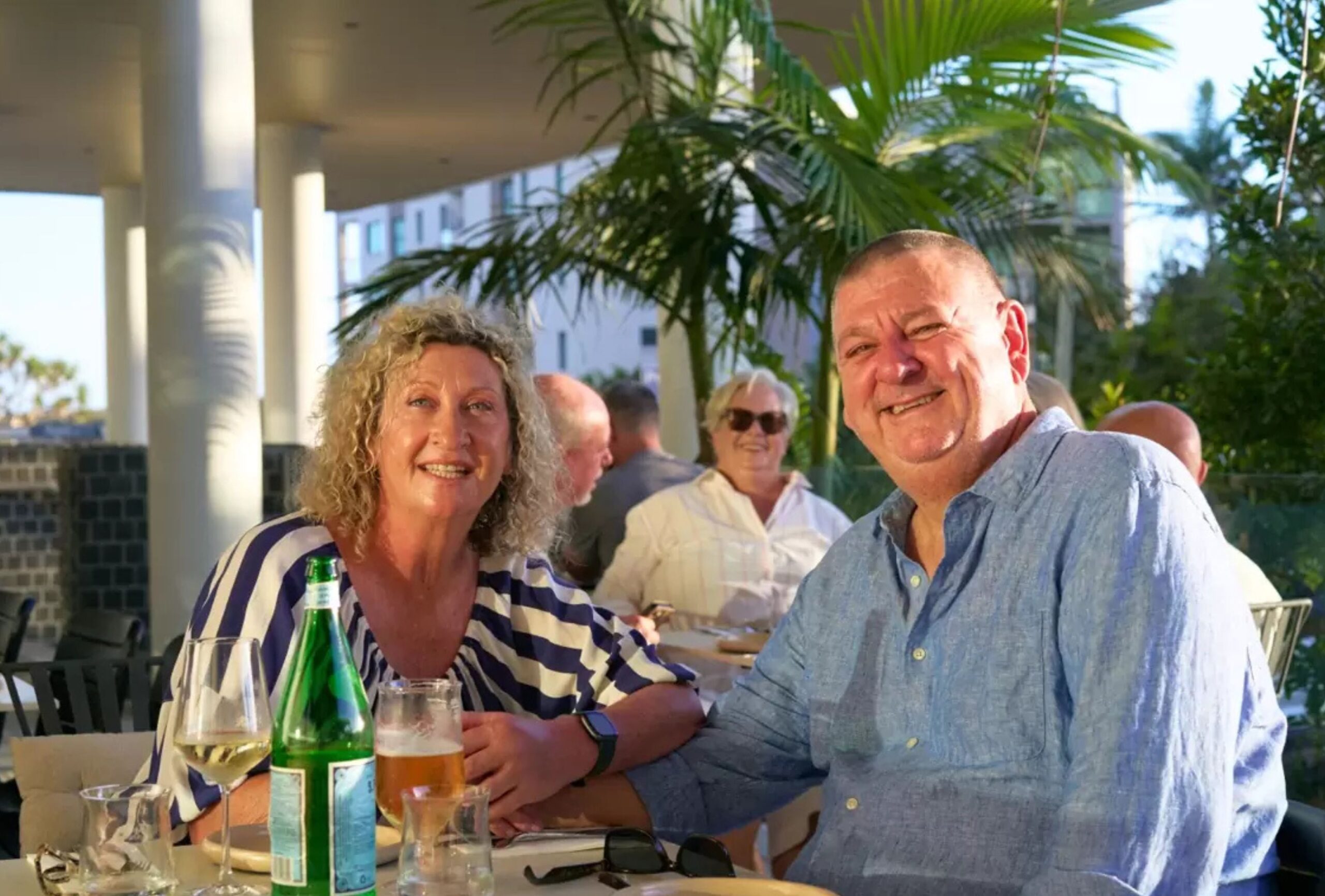
The atmosphere at a modern Mediterranean Italian venue, particularly in a place like Caloundra, is often sophisticated yet welcoming. It blends authentic Italian elements with polished coastal styling, creating what feels like a “modern trattoria by the sea.” Think soft lighting, relaxed music, natural textures, and a comfortable setting that encourages lingering and conversation.
-
-
Service and Bar Program:
-
Service in a classic setting is often familiar and less formal, sometimes direct, reflecting a family-run establishment.
-
In a modern setting, the service is warm, guided, and attentive, helping you navigate the menu and wine pairings with expert recommendations. A defining feature of the modern experience is a connected Aperitivo tradition. While a classic spot might offer a simple house wine, a modern venue will feature a refined drink menu with classic spritzes, Negronis, and a premium wine list that thoughtfully complements the food. Discover a new way to enjoy Italian dining, where traditional skill meets current style in every dish and detail.
-
Why Modern Italian Dining Is Growing in Popularity
The growing appeal of modern Italian dining shows a change in how we approach food and our desire for experiences that are both tasty and suit our lives. This current style connects with today’s diners for several strong reasons, reflecting a wider liking for freshness, well-being, and cooking originality.
One of the main reasons is the match with health and well-being trends. The modern approach, with its focus on the principles of the Mediterranean diet—fresh vegetables, lean proteins, healthy fats from olive oil, and balanced tastes—attracts diners who care more about health. People are seeking out food that not only tastes amazing but also makes them feel good. This style, being lighter and less reliant on heavy creams and butters, fits that desire perfectly.
“The shift in dining culture is towards lighter, fresher, and more mindful eating. Modern Italian cuisine fits this perfectly, honoring tradition while meeting the demands of contemporary lifestyles and health preferences.” – Gennaro Contaldo
Furthermore, modern tastes desire freshness and range. Modern Italian menus often change with the seasons, showcasing the best produce available at any given time. This offers a changing and interesting experience that keeps people coming back to see what’s new. There’s also an appreciation for cooking originality. Diners love the creativity of seeing a classic dish carefully remade, offering a new perspective without losing its true spirit. At Bianco Italian Cuisine & Bar, we find this mix of genuine Italian ideas with a current coastal understanding is exactly what locals and tourists on the Sunshine Coast are looking for. Experience modern Italian tastes that honor tradition while pleasing current palates – perfect for your next memorable occasion.
FAQs
What are the main differences in ingredients between Northern and Southern Italian cuisine?
Northern Italian cuisine often features richer ingredients suited to a cooler climate. You’ll find more butter, cream, rice for risotto, polenta, and egg-based fresh pasta. Ingredients like truffles, cured meats like prosciutto, and aged cheeses are prominent. In contrast, Southern Italian cuisine is a quintessential Mediterranean diet, relying heavily on extra virgin olive oil, sun-ripened tomatoes, fresh seafood, and pasta made from durum wheat without egg. The regional variations are a delicious study in geography and culinary adaptation.
Can I find authentic Italian and modern Mediterranean Italian dining on the Sunshine Coast?
Absolutely. The Sunshine Coast has a lively food scene where both styles are celebrated. Sophisticated venues like Bianco Italian Cuisine & Bar skillfully combine these two worlds. Here, you can enjoy dishes rooted in classic techniques, such as handmade pasta and slow-braised ragùs, alongside modern creations featuring fresh, chargrilled seafood and seasonal vegetable-focused plates, all crafted with authentic methods and the best local produce. It’s a place where tradition meets the freshness of the coast.
Conclusion
Both classic and modern Mediterranean Italian dining offer full, pleasant, and clear experiences. One is rooted in the comforting hold of tradition, offering a taste of history and regional heritage. The other is a praise for fresh, current new ideas, capturing the lively energy of today’s coastal lifestyle. Neither is better than the other; they are simply different expressions of a cuisine that is loved worldwide for its heart and taste.
Appreciating the evolution of Italian food allows us to enjoy the full depth of its cooking history. At Bianco Italian Cuisine & Bar, we are passionate about bringing these two worlds together. We offer an excellent and genuine Italian dining experience where long-standing methods meet current fresh ideas, well-suited for the Sunshine Coast.
Ready to savor the best of both worlds? Book your table at Bianco Italian Cuisine & Bar and experience Italian dining reimagined, right here in Caloundra.