Pizza Contemporanea represents a modern evolution of classic Italian pizza, distinguishing itself from traditional styles like Neapolitan pizza through its innovative dough craftsmanship. It features lighter, highly-hydrated doughs undergoing extended fermentation, resulting in an exceptionally airy, digestible crust and a perfect canvas for both traditional and inventive gourmet toppings.
Introduction
Think about the last time you truly savored a pizza. Remember the scent of baked dough and San Marzano tomatoes filling the air, the gentle warmth radiating from the plate, and that first perfect bite—the delicate crispness of the crust giving way to a soft, flavorful center. For generations, this experience has been a cornerstone of Italian culture, a simple food that brings people together. It is a symbol of comfort, celebration, and culinary heritage, beloved across the world.
But what if this beloved dish, steeped in tradition, could offer something more? What if pizza could be an even lighter, more aromatic, and altogether new experience without losing its soul? This is not a departure from tradition, but a thoughtful evolution. This is the heart of Pizza Contemporanea, an exciting new chapter in the story of Italian pizza. It is a style that reveres its Neapolitan roots while incorporating modern understanding and artisan techniques to create something truly special. It reflects a growing appreciation for the science behind baking, married with the timeless art of pizza making.
This article will guide you through the beautiful distinctions of this modern Italian pizza style. We will explore the art and science behind its cloud-like crust, see how it stands apart from its traditional ancestors, and understand why it is capturing the hearts of food lovers everywhere. Here at Bianco Italian Cuisine & Bar, this philosophy is at the core of what we do, bringing a taste of this innovation to the Sunshine Coast with passion and precision. We believe that food should tell a story, and our Pizza Contemporanea tells one of tradition, innovation, and culinary joy.
Key Takeaways
-
Pizza Contemporanea offers a lighter, more digestible crust due to high hydration and long fermentation.
-
It marries traditional Italian techniques with modern culinary innovation.
-
Features an airy, cloud-like texture and a greater exploration of gourmet toppings.
-
Represents the future of artisan pizza techniques while respecting its heritage.
What Is Pizza Contemporanea?
At its heart, Pizza Contemporanea is the beautiful result of pizzaioli (pizza makers) asking, “how can we refine perfection?” This contemporary pizza style is not about reinventing the wheel but rather about refining the craft. It is a modern expression of pizza that honors the soul of authentic Italian pizza while pushing the boundaries of texture, flavor, and digestibility. While its heritage is firmly planted in Naples, it represents a “new wave pizza” movement driven by a deeper understanding of dough science and a desire to serve a more sophisticated palate. It’s a testament to how culinary arts can evolve through thoughtful experimentation.
The defining characteristics of Pizza Contemporanea are all about the dough. It is the undisputed star of the show. This style is built upon three key pillars:
-
High Hydration Pizza Dough: This means the dough contains a significantly higher percentage of water compared to traditional recipes. Typically ranging from 70% to 85% hydration, this is the secret to its light and open crumb structure, creating a much airier texture after baking.
-
Long Fermentation Pizza: The dough is given ample time to develop, often resting for 24 to 72 hours in a cool environment. This slow process builds complex, nuanced flavors and makes the final product easier to digest by allowing enzymes to break down starches and proteins.
-
Artisan Pizza Techniques: Crafting this type of dough requires immense skill and attention to detail. It is a delicate balance of science and touch, where the pizzaiolo’s experience guides the process from careful mixing and gentle folding to precise shaping and baking.
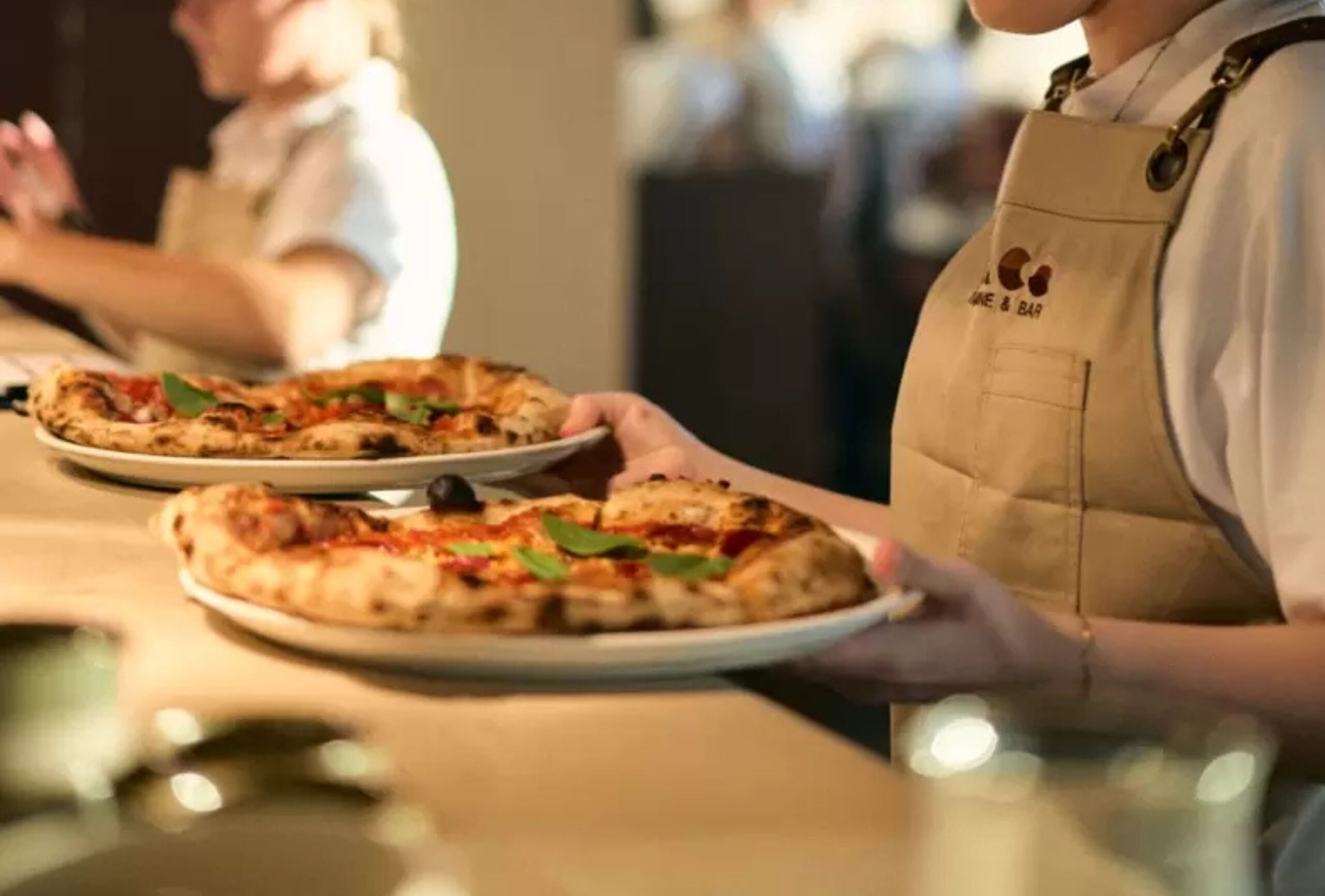
The result is a sensory experience unlike any other. The crust, or cornicione, is pronounced and puffy, yet incredibly light and airy—almost cloud-like. It has a delicate crispness on the outside that yields to a soft, fragrant interior with a slight, satisfying chew. The aroma alone speaks of slow fermentation and expert baking. At Bianco, we believe in this philosophy, crafting a Pizza Contemporanea that truly celebrates the best of Italian tradition and modern artisan pizza techniques. As renowned baker Chad Robertson once said, “The longer the fermentation, the more complex the flavor.” This principle truly applies to the contemporary pizza style.
How It Differs From Traditional Neapolitan Pizza
While both styles share a common ancestry and a deep respect for quality ingredients, the differences between Pizza Contemporanea and traditional Neapolitan pizza become clear from the very first bite. The distinction lies in the subtle but significant variations in technique, which create two unique culinary experiences. Neapolitan pizza, with its strict adherence to AVPN (Associazione Verace Pizza Napoletana) rules, holds a revered place as the origin of pizza as we know it, focusing on simplicity and speed. Contemporanea builds upon this legacy, rather than competing with it.
The most noticeable difference is in the crust and its texture. A classic Neapolitan pizza has a characteristically thin center with a prominent rim, known as the cornicione. This rim is soft, slightly chewy, and has a relatively dense structure, often with leopard-like charring from the intense heat. In contrast, the cornicione on a Pizza Contemporanea is exceptionally light and airy. It puffs up dramatically in the oven, creating a more open crumb structure that resembles a fine artisan bread like ciabatta. The base remains thin, but the textural contrast between the light, almost hollow rim and the delicate, moist center is more pronounced, offering a delightful interplay of textures.
These textural differences are born from the dough itself. Traditional Neapolitan dough typically has a hydration level of around 55-65%, uses a shorter fermentation period, and is often made with a specific ’00’ flour. Pizza Contemporanea pushes this much higher, often to 70-85% or more, and uses longer, cooler fermentation periods of at least 24 hours. This extra water, combined with extended time, allows the gluten to relax and complex flavors to develop more fully. This process also breaks down more of the starches, making the pizza remarkably light and easy to digest, a key appeal for many modern diners.
Both pizzas are cooked rapidly in a searingly hot wood-fired pizza oven, often at 450–500°C (850–930°F). However, the high-hydration dough of a contemporary pizza reacts differently to the intense heat, creating more internal steam that contributes to its signature lift and airy pockets. This results in a more complex flavor profile in the dough itself—a subtle tang and nutty notes that serve as the perfect foundation for toppings, rather than simply a vehicle.
Dough, Hydration, and Fermentation Techniques
To truly understand what makes Pizza Contemporanea so special, one must appreciate the science and artistry that goes into its foundation: the dough. In this style, the dough is not merely a base for toppings; it is the heart and soul of the pizza’s identity, a testament to the pizzaiolo’s patience and skill. The dedication to the dough is what sets this style apart, transforming simple ingredients into something extraordinary.
Mastering high hydration is central to this craft. In simple terms, this means using a much higher ratio of water to flour, sometimes up to 85% or even 90%. While this creates a stickier and more challenging dough to handle—requiring specialized mixing and gentle folding techniques rather than heavy kneading—the rewards are immense. The extra moisture allows for more steam to be created inside the dough when it hits the hot oven, which is what inflates the crust and produces that wonderfully light, airy interior. This process requires not only skill but also specific high-protein pizza flour types (often blends of different flours) that can absorb the extra water and develop a strong yet elastic gluten network capable of holding those delicate air pockets.
This is complemented by the art of long fermentation. Instead of a quick rise, the dough for Pizza Contemporanea undergoes a slow, cool fermentation for 24 hours, 48 hours, or even longer. During this time, the yeast and natural bacteria work their magic, breaking down complex carbohydrates into simpler sugars and producing organic acids. This does two important things: it develops an incredibly rich and nuanced flavor profile with hints of tang, nuttiness, and a pleasant yeasty aroma, and it makes the final crust far more digestible. This patient process also relaxes the gluten, which contributes to the tender, open crumb that defines this modern pizza style. The longer the fermentation, the deeper the flavor and the easier the pizza is on the stomach.
These craft pizza making techniques are a labor of love, requiring precision, intuition, and a deep respect for the ingredients and the natural process. It’s a conversation between the baker and the dough. Experience the superior dough craftsmanship at Bianco, where every crust tells a story of passion and precision, making our modern Italian pizza a true delight. We believe that great pizza starts with great dough, and we dedicate ourselves to perfecting it every single day.
Ingredients and Toppings
While the innovative dough is the hero of Pizza Contemporanea, the approach to toppings is equally thoughtful, balancing a deep respect for tradition with a fresh sense of creative freedom. The foundation remains the same as any authentic Italian pizza: an unwavering commitment to high-quality, fresh, and flavorful ingredients. Simplicity and excellence are paramount, whether it is vine-ripened San Marzano tomatoes, fresh buffalo mozzarella, fragrant basil, or cured meats sourced with care. The lighter crust means the toppings must be carefully considered to avoid weighing down its delicate structure.
However, the light yet sturdy structure of the contemporary crust provides a versatile canvas for a broader spectrum of gourmet pizza toppings. This style invites exploration, allowing chefs to create innovative pizza recipes that might overwhelm a more traditional base. The key is always balance and harmony. Toppings are chosen to complement the delicate, aromatic crust, never to overpower it. This philosophy opens the door to exciting flavor combinations and celebrates seasonality in a dynamic way, pushing the boundaries of what pizza can be while retaining its Italian soul.
At Bianco Italian Cuisine & Bar, we incorporate this by integrating the stunning local produce of the Sunshine Coast into our creations. This approach allows us to offer a unique regional flavor profile while celebrating the best of our surroundings. Imagine fire-roasted local prawns drizzled with lemon and garlic, seasonal vegetables picked from hinterland farms, or rich, slow-cooked meats that melt in your mouth. This is our way of creating a “celebration of Italy away from Italy,” supporting our local producers while crafting a menu that is both authentic and distinctly our own. This gastronomic journey is made complete with our curated list of wines and cocktails, expertly paired to improve every bite.
Why Pizza Contemporanea Is Growing in Popularity
The rise of Pizza Contemporanea is more than just a fleeting food trend; it speaks to a shift in what modern diners seek in a culinary experience. Its growing popularity is rooted in a desire for food that is not only delicious but also thoughtfully crafted and enjoyable on multiple levels. It caters to a more discerning palate that values both tradition and mindful consumption.
One of the most significant drivers is its improved digestibility. In a world where diners are increasingly conscious of how food makes them feel, a pizza that is light and easy on the stomach is incredibly appealing. The long fermentation process breaks down complex starches and gluten, meaning you can enjoy a whole pizza without feeling heavy afterwards. This lightness, combined with the unique sensory appeal of the crust—a crisp exterior giving way to an airy, cloud-like interior—creates a memorable and satisfying dining experience, free from the often-associated post-pizza sluggishness.
Furthermore, Pizza Contemporanea appeals to our love for culinary innovation. Food enthusiasts are always searching for new tastes and textures, and this style delivers precisely that. It respects tradition while bravely pushing boundaries, showcasing the evolution of Italian cuisine. The versatility of the crust allows for experimentation with diverse, high-quality, and often local toppings, offering more gourmet options than ever before. This focus on artisan pizza techniques resonates deeply with those who appreciate craft, quality, and the story behind their food, making it a favorite among foodies and casual diners alike.
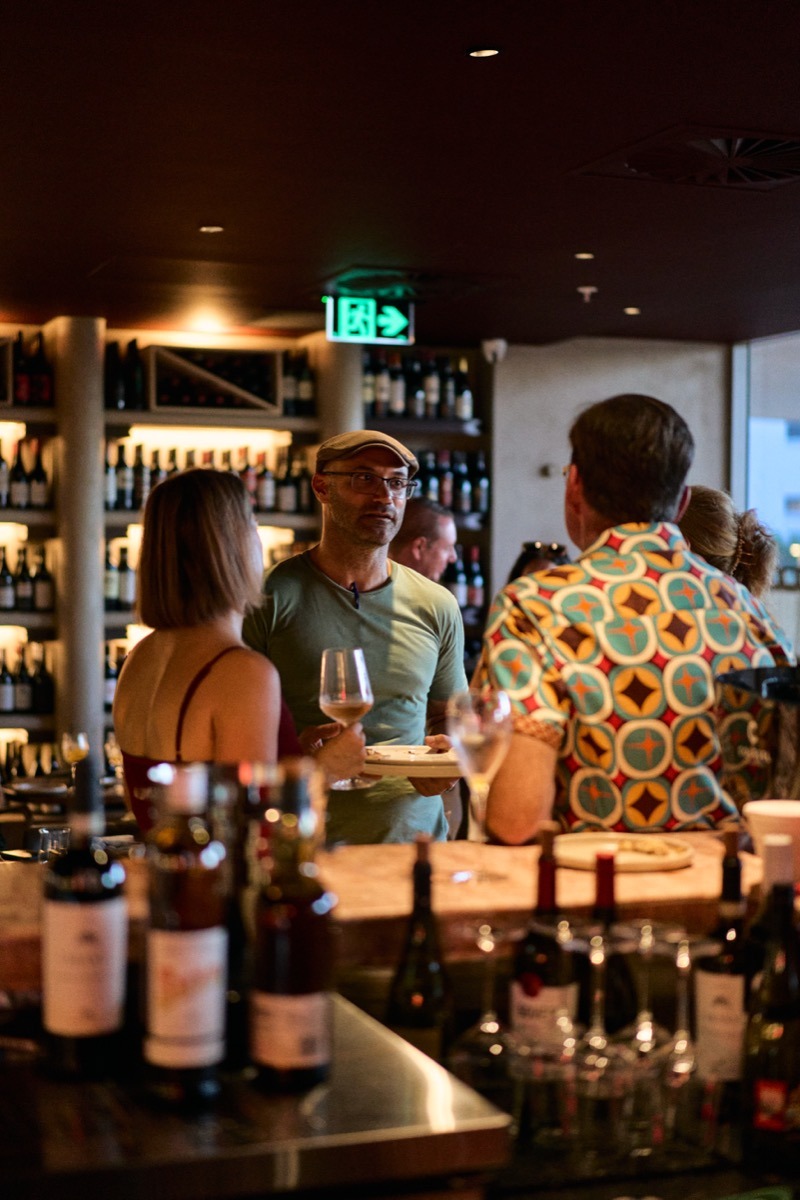
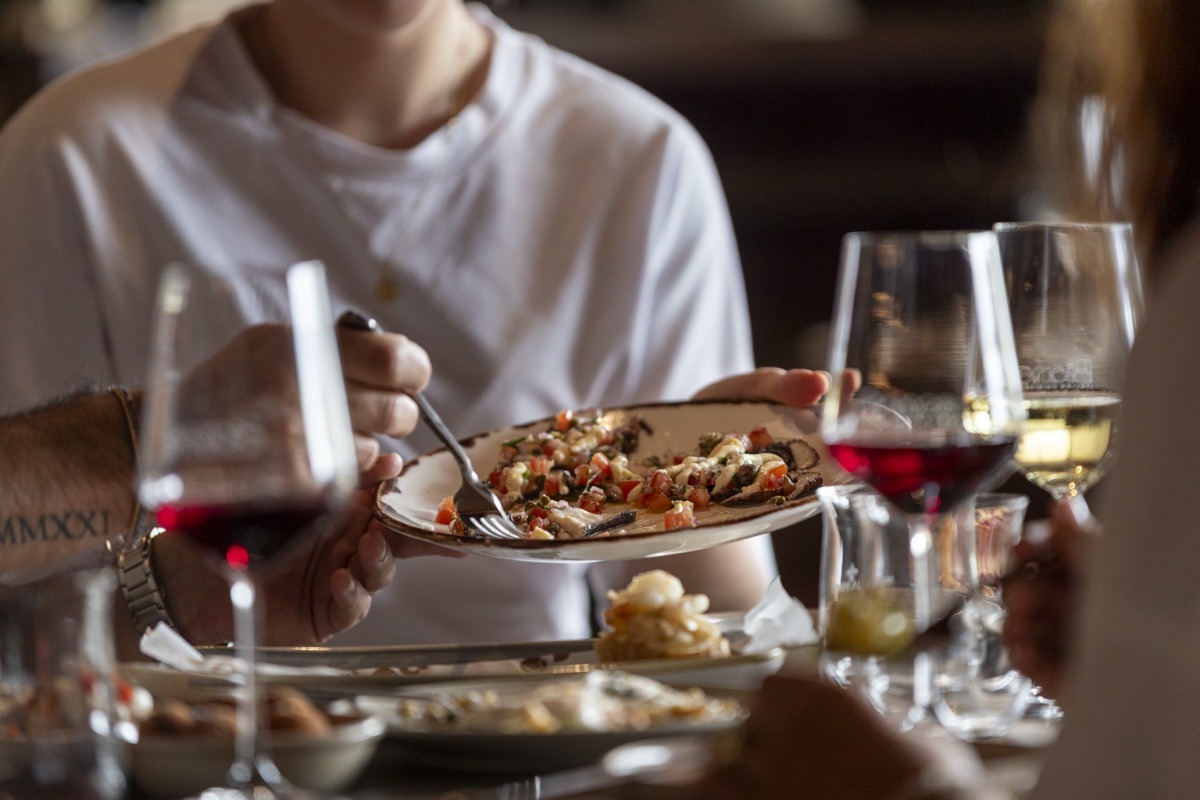
This style also fits perfectly with modern social dining trends. It offers a sophisticated yet relaxed meal that is perfect for sharing with friends and family. Its presentation and lighter nature lend themselves well to a communal dining experience. At Bianco, we have created a better dining atmosphere that brings this experience to life, making us a leading destination for this modern Neapolitan pizza style on the Sunshine Coast. Ready to experience the future of Italian pizza? Visit Bianco Italian Cuisine & Bar in Caloundra, where our Pizza Contemporanea awaits to delight your senses and redefine your pizza expectations. Book your table today and taste the difference!
“Good bread is the most fundamentally satisfying of all foods; and good bread with fresh butter, the best of feasts.” – James Beard. While he spoke of bread, the sentiment applies to the exceptional crust of Pizza Contemporanea, which is indeed a feast in itself.
Conclusion
Pizza Contemporanea stands as a beautiful testament to the enduring spirit of innovation within Italian cuisine. It is a masterful blend of ancient wisdom and modern craftsmanship, proving that even a dish as perfect as pizza can continue to evolve. It is not about replacing tradition, but about building upon it with new knowledge and passion, creating something that respects its past while looking to the future.
With its lighter, more digestible dough, complex flavors developed through patient fermentation, and its role as a perfect canvas for both classic and creative ingredients, it offers a truly distinct experience. From its Neapolitan roots to the bounty of the Sunshine Coast, this is a pizza that tells a story. It is more than just a meal; it is a celebration of texture, flavor, and the passion that defines Italian cooking. We invite you to seek out and savor this exceptional pizza style, especially here at Bianco Italian Cuisine & Bar, for an unforgettable culinary journey.
FAQs
Is Pizza Contemporanea Healthier Than Traditional Pizza?
While “healthier” can be subjective, Pizza Contemporanea is widely considered more digestible. Its long fermentation process helps break down complex starches and gluten, making it much lighter on the digestive system. This can lead to less bloating and discomfort after eating. The focus on high-quality ingredients and a lighter crust can also contribute to a feeling of well-being, though the overall nutritional value will always depend on your choice of toppings. It’s about how your body processes the food, and in that regard, contemporary pizza often feels lighter.
What Makes The Crust Of Pizza Contemporanea So Airy?
The incredibly airy crust is the result of a perfect combination of three key factors. First, the high hydration level in the dough creates more internal moisture, sometimes reaching up to 85% water content. Second, the long, cool fermentation develops a strong, elastic gluten structure that can effectively trap the gasses produced by the yeast during proofing. Finally, the intense heat of a wood-fired oven (often exceeding 450°C or 850°F) rapidly turns that internal moisture into steam. This sudden burst of steam causes the dough to puff up dramatically, creating its signature cloud-like texture and numerous open air pockets within the cornicione.