Wood-fired pizza on the Sunshine Coast is baked in a traditional dome oven at extreme heat, creating a puffy, blistered crust, tender centre and lightly smoky flavour. Fast cooking, long-fermented dough and simple, high-quality toppings give authentic Neapolitan-style pizza its signature texture, balance and depth that standard ovens cannot replicate.
Why Wood-Fired Pizza Feels Different From The First Bite
Picture this. The sky over Caloundra is turning soft pink, the air smells of salt and sea, and inside a stylish Italian dining room a wood‑burning pizza oven glows like a small sunset. Flames lick the curved brick, logs crackle, and every so often a pizzaiolo slides in another artisan pizza. In seconds the aroma of smoke, slow‑cooked tomatoes and melted cheese drifts across the room and heads start to turn.
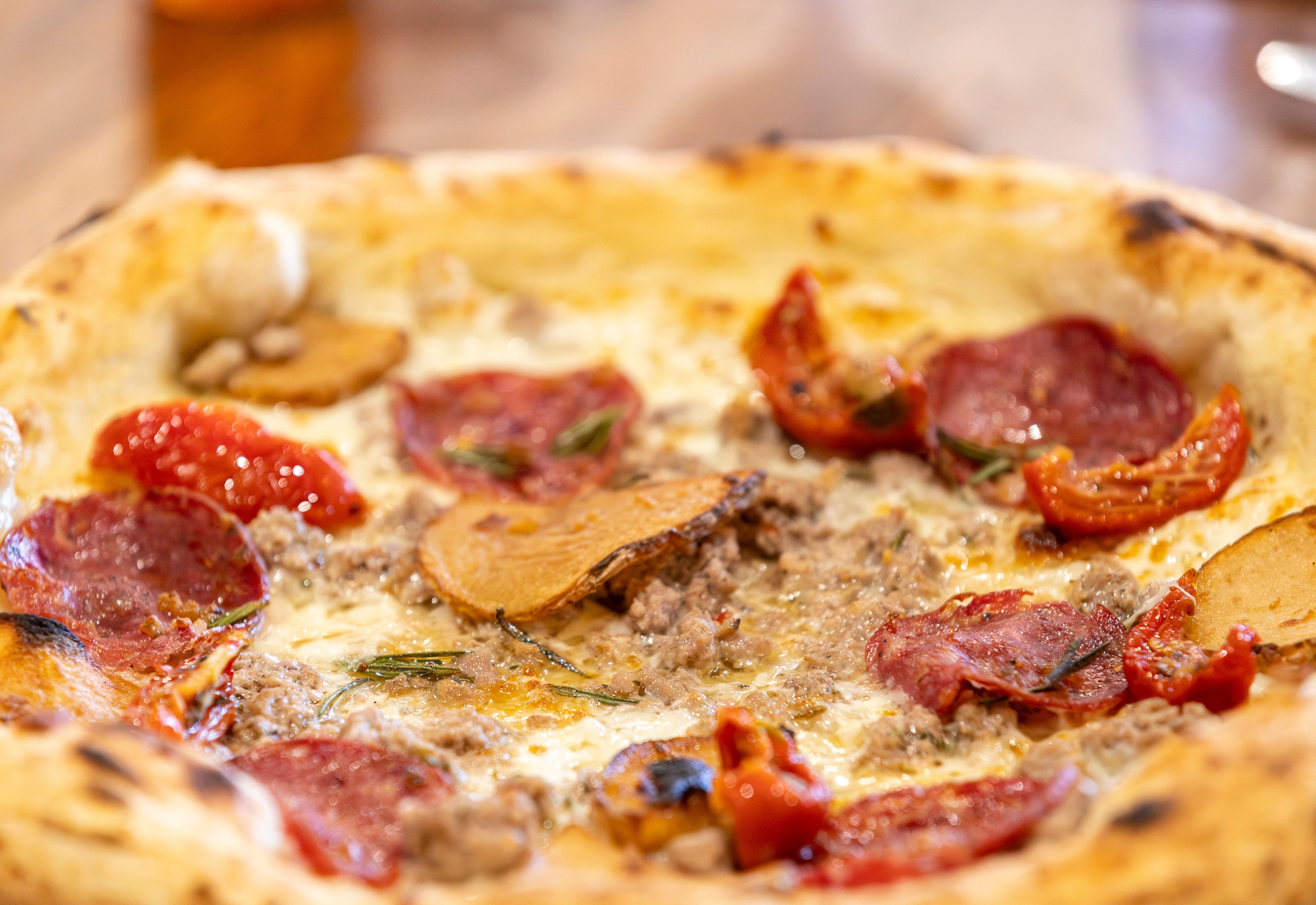
That first bite of wood‑fired pizza is different from regular takeaway. The rim is puffy and blistered, the centre bends without flopping, and there is a whisper of smoke that makes the tomatoes taste sweeter and the cheese seem richer. It feels like traditional Italian pizza, yet somehow lighter and more refined – the kind of food that pairs naturally with a good glass of wine or a crisp spritz. This is what people mean when they talk about brick oven pizza, Neapolitan pizza and other styles baked in a true wood fired pizza oven.
The secret is not just “using wood”. It is the whole method: a dome‑shaped, brick oven pizza running at extreme heat, dough cared for over many hours, and high‑heat pizza cooking that finishes each pizza in barely a minute. Together they change the way the crust browns, how toppings cook and how flavours develop. The result is a style of artisan pizza that tastes deeper, smells smokier and sits more comfortably than many of the pizzas most Australians grow up with.
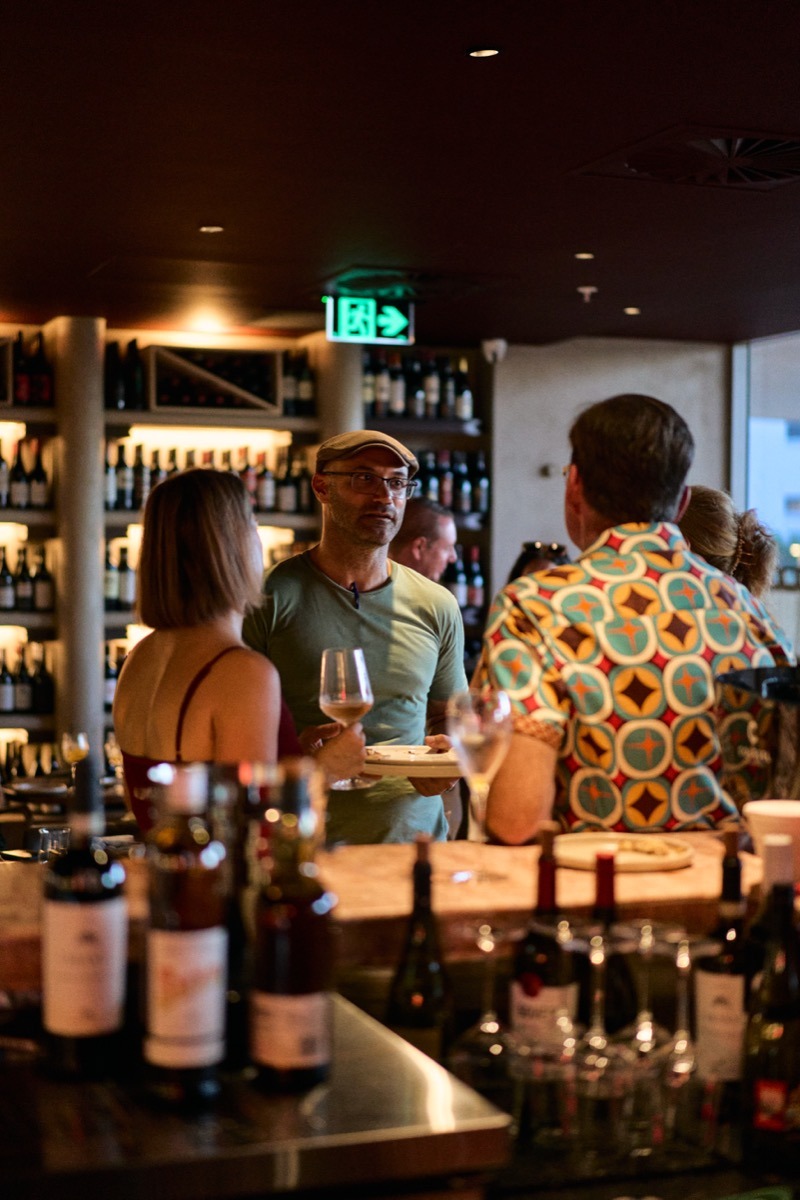
Across the Sunshine Coast, restaurants inspired by Italy and the local coast are drawing on this tradition. They weave local seafood, seasonal vegetables and good smallgoods into wood fired cooking, then set everything in a relaxed share‑style setting that suits date nights, celebrations and long lunches. In Caloundra, Bianco Italian Cuisine & Bar fits beautifully into this scene as a modern Italian restaurant and bar that celebrates fresh local produce, authentic flavours and coastal elegance.
Keep reading to learn, in simple terms, why wood‑fired pizza tastes better, how it links back to Naples, and how to spot a great one when planning the next night out on the Sunshine Coast.
“A pizza is a circle of dough that holds the story of fire, grain and time in every bite.”
Key Takeaways
- Wood‑fired pizza is defined by a traditional dome oven, extreme heat and fast baking, which give a puffy rim, tender centre and vivid toppings that are hard to match in a conventional oven.
- Long‑fermented dough, higher hydration and careful pizza making techniques often make the crust easier to digest and less heavy than many takeaway versions.
- Hardwood and live flame add a gentle smoky flavour and light char, lifting the taste of tomatoes, cheese and cured meats without making the pizza taste burnt.
- This style of pizza sits at the heart of Italian social dining and pairs naturally with wine, spritzes and cocktails, especially in relaxed share‑style settings.
- On the Sunshine Coast, choosing genuine wood‑fired pizza means choosing a richer, more authentic Italian dining experience instead of just another quick slice.
What Is Wood-Fired Pizza And How Is It Different?
At its core, wood‑fired pizza is pizza baked in a dome‑shaped oven made from refractory brick or stone and heated only by burning wood. There is no gas burner or electric element hiding inside. The fire is built directly on the oven floor, the dome absorbs and reflects the heat, and pizzas are baked right on the hot stone in that pocket of flame and glowing coals. This is the same style of oven that has powered traditional Italian pizza for generations.
The other big difference is temperature. A true wood burning pizza oven for Neapolitan‑style pizza runs at around 450–500°C. By comparison, most home or restaurant gas ovens top out somewhere between 220–300°C, even with a pizza stone. That means a wood‑fired pizza cooks in about 60–90 seconds, while a regular pizza might sit in the oven for 8–15 minutes. High heat, short time – that is the key pattern behind authentic Neapolitan pizza.
Inside the dome, three kinds of heat work together:
- The blazing floor sears the base by conduction.
- The hot bricks of the dome radiate heat from above and around.
- The live flame licks over the top of the pizza, finishing the crust and giving that tell‑tale spotting and smoky aroma.
The result is a puffy, blistered rim, a thin but structured centre, light char on the edges and toppings that still look bright and lively.
By contrast, a pizza in a standard oven has more time to dry out. The rim rarely puffs to the same height, the base can turn biscuit‑like, and toppings can stew rather than roast. There is no wood smoke to add another layer of flavour. This is why people talk about brick oven vs conventional oven pizza as if they are almost different foods.
A quick comparison helps make it clear.
| Feature | Wood‑Fired Pizza | Conventional Oven Pizza |
|---|---|---|
| Pizza oven temperature | About 450–500°C | About 220–300°C |
| Cooking time | 60–90 seconds | 8–15 minutes |
| Crust | Puffy rim, airy crumb, soft centre with crisp base | Flatter rim, often denser or drier |
| Flavour | Gentle smoke, caramelised edges, complex dough flavour | Cleaner but simpler flavour, no smoke |
| Moisture | Much of the dough moisture stays inside | More moisture lost during long bake |
Terms like brick oven pizza, artisan wood‑fired pizza and authentic Neapolitan pizza all point back to this style of high‑heat, wood‑driven baking, even though thickness and toppings can change from place to place. The shared foundation is an intentionally hot oven and a short, intense bake that build the special texture and taste.
Why Wood-Fired Pizza Tastes Better: Heat, Dough And Flavour
Wood‑fired pizza wins hearts for a mix of science and emotion. On one level it is about high heat, hydration and fermentation. On another, it is about crunch, chew, aroma and the way it feels to sit with friends around a table of lightly charred, steaming pies. The oven, the dough, the smoke and the topping style all play a part.
As chef Massimo Bottura puts it, “Quality is not an act, it is a habit.” Great pizza follows the same rule.
The Power Of High Heat In A Wood-Fired Pizza Oven
When a pizza slides off the peel and lands on a 450–500°C stone floor, everything happens fast. The very bottom of the base starts to set almost instantly as heat rushes in from the floor. At the same time, water inside the dough turns to steam, pushing upwards and outwards. This steam inflates the rim so it puffs into that airy, cloud‑like border people love.
Because the oven is so hot, the base can become crisp while the inside of the crust stays moist and elastic. The surface of the dough begins to caramelise, forming small dark spots often called “leopard” spots. These marks are not ash; they are tiny patches of caramelised sugars that add a gentle bitterness to balance sweet tomato and creamy cheese. The best crispy pizza crust has this mix of crunch, chew and flavour.
Meanwhile, toppings sit close to a live flame. Cheese melts and bubbles, spreading just enough without splitting into oil. Thin slices of salami curl and crisp at the edges, mushrooms brown, and fresh herbs slump and release perfume while staying bright. Because the bake is so quick, ingredients do not have time to dry out or turn dull.
In a lower‑heat, longer‑baking oven, moisture escapes slowly over many minutes. The crumb does not get the same rapid lift, crusts tend to be flatter, and toppings can overcook before the base crisps. The flavour can still be pleasant, but it lacks the sharp definition and contrast that high‑heat pizza cooking delivers.
Dough, Fermentation And Why The Crust Feels Lighter
The other secret is the dough. A classic pizza dough recipe for traditional Italian pizza is surprisingly simple: high‑protein flour, water, yeast and salt. There is no need for sugar or oil in authentic Neapolitan pizza; flavour comes from the wheat and the way it ferments over time.
For wood‑fired cooking, many pizzaioli use slightly wetter dough. This higher hydration helps the crumb expand more easily when it meets fierce heat. During baking, the extra water turns to steam and lifts the interior, which keeps the centre of the base soft and helps avoid a dry, cracker‑like feel. It is one reason the best pizza crust in a wood‑fired oven can be thin yet still tender.
Long, cool fermentation is just as important. Many artisan pizza makers let their dough rest for 24 hours or more, often at lower temperatures. During this time the yeast slowly works through the starches, and the gluten network relaxes. This process builds complex flavour – a hint of tang, a touch of nuttiness – and also starts breaking down some of the structures that can feel heavy in the stomach.
Short‑fermented doughs made with lots of yeast and rushed proofing can puff up fast but often taste flat and leave people feeling bloated. In contrast, well‑fermented dough baked fast in a wood oven often feels surprisingly light. That is why many guests can share a few slices with wine and cocktails in a place like Bianco Italian Cuisine & Bar and still feel ready for a stroll along the water afterwards.
Smoke, Char And The Subtle Art Of Flavour
Wood fired cooking does more than just provide heat; it brings gentle smoke. Most pizza ovens run on dense, seasoned hardwoods – species that burn hot and steady and make a clean flame. Some venues blend in fruitwoods when they can to add soft, sweet aromas.
The goal is not heavy, campfire smoke. In good wood fired cooking, smoke is like a seasoning in the background. A thin veil passes over the pizza as it bakes, leaving behind just enough character to make the tomatoes taste sweeter, the mozzarella seem creamier and the cured meats a little more savoury. Light char on the rim adds that hint of roast that keeps each bite interesting.
If the pizza tastes strongly burnt or the smoke flavour shouts over everything else, something has gone wrong with fire control or timing. Balance is the mark of a skilled hand: clean heat, gentle smoke and char used like a spice, not the whole dish.
Toppings, Balance And The “Less Is More” Philosophy
High heat is unforgiving. Overload a pizza with too many toppings and the result is usually a soggy centre and uneven cook. Moisture from vegetables and cheese has nowhere to escape, so it steams the base rather than letting it crisp. That is why most Neapolitan and artisan wood‑fired pizzas follow a simple “less is more” rule.
A well‑made fire roasted pizza often starts with just a light smear of tomato sauce, stopping short of the edge so the cornicione can rise. A modest layer of quality cheese follows – fresh fior di latte or buffalo mozzarella – then a few carefully chosen ingredients scattered on top. Every element has room to breathe, roast and caramelise.
The Margherita may be the best example. San Marzano‑style tomatoes, good mozzarella, basil and extra‑virgin olive oil look almost minimal on the base. Yet that simplicity shows every detail: how the dough fermented, how evenly the oven cooks, how clean the smoke tastes. Each slice lets diners notice the dough, the smoke, the tomato and the dairy one by one, instead of being buried under a mountain of toppings.
This restraint is part of why wood‑fired pizza feels so satisfying. Flavours are clear rather than messy, textures stay crisp and chewy rather than soggy, and there is space to enjoy a second or third slice without feeling overloaded.
From Naples To Modern Australia: Tradition, Style And Social Dining
The story of wood‑fired pizza begins in Naples. Traditional Neapolitan pizza is a soft, blistered round cooked in a brick oven at very high heat. The base is thin in the centre, the rim is puffy and spotted, and toppings are simple: tomatoes, mozzarella, a few leaves of basil, maybe some anchovies or salami. Each pizza bakes in about a minute, then goes straight from oven to table.
In recent years, Italian pizzaioli have pushed this further with Pizza Contemporanea, or contemporary pizza. This style keeps the core values – long‑fermented dough, powerful heat, respect for ingredients – but plays with hydration, crumb structure and toppings. Crusts may be even airier, and toppings might include more creative combinations, but the focus on quality remains.
Australian artisan wood‑fired pizza draws heavily from this tradition while leaning into local produce. On the Sunshine Coast that can mean seafood from nearby waters, seasonal vegetables from hinterland farms, and cured meats and cheeses that suit a coastal climate and lifestyle. Fire roasted prawns with lemon, pumpkin with herbs, or rich slow‑cooked meats can all find their way onto a thin base baked in seconds.
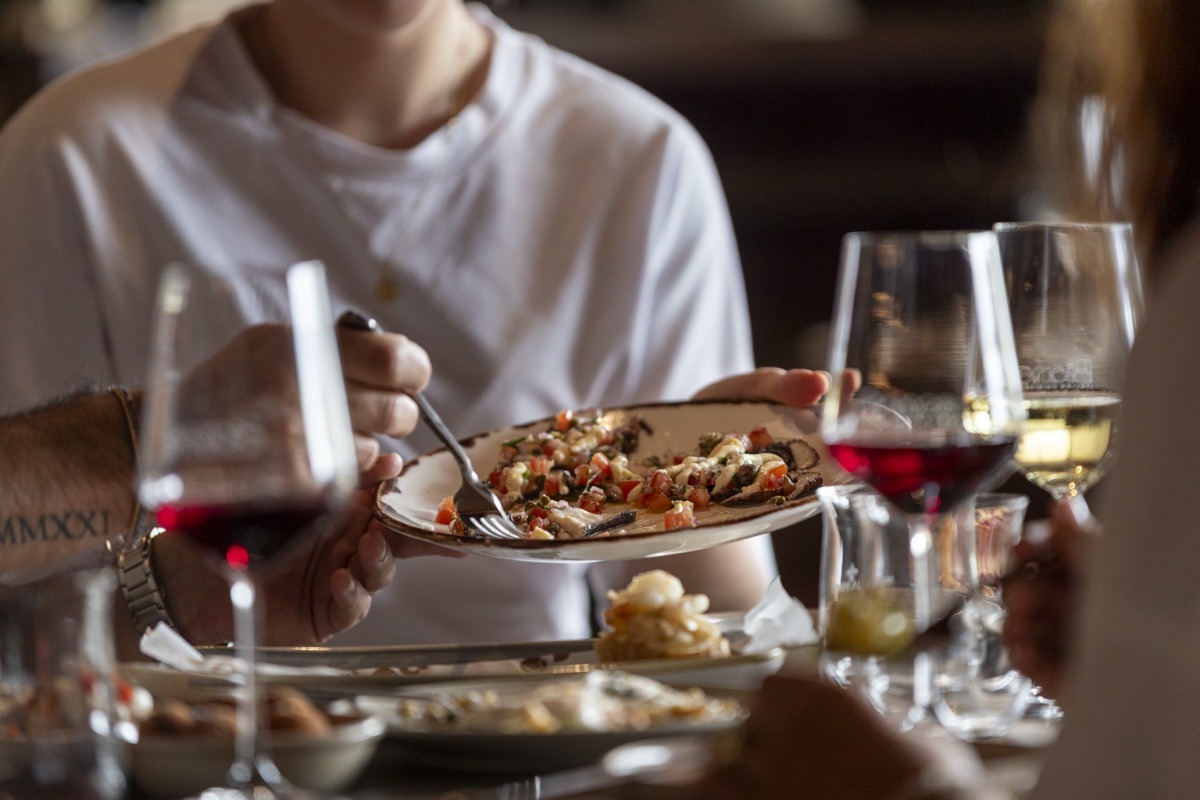
In Italy, pizza is deeply social. Pizzas are cooked to order, placed in the centre of the table and shared while still hot. Wine, beer and aperitivi flow around them, and the meal becomes as much about talk and company as it is about food. There is less focus on strict courses and more on a steady rhythm of plates and glasses arriving and being passed around.
This way of eating fits the Sunshine Coast perfectly. After a day at the beach or exploring the region, many groups want relaxed evenings where they can share a few pizzas, antipasti and sides, sip something good by the glass and linger without hurry. Bianco Italian Cuisine & Bar sits within this world as a modern Italian venue in Caloundra, with a cosmopolitan bar and dining room that encourages guests to stretch out, share plates and enjoy that easy, coastal version of la dolce vita.
How To Recognise (And Enjoy) Great Wood-Fired Pizza On The Sunshine Coast
Knowing what to look for makes it much easier to spot authentic, well‑made wood‑fired pizza when planning a meal out. A few visual and textural clues can say a lot before the first bite.
On appearance, a strong artisan pizza usually has:
- A tall, airy rim with those signature dark spots scattered across it.
- Colour that ranges from golden to deep brown with a few blackened patches, but without large areas of solid burn.
- A centre that looks thin and flexible rather than thick and bready.
- Toppings that appear plump and fresh, not shrivelled or dried.
- Melted cheese that is softly bubbled, not greasy.
Texture is just as telling. When a slice is lifted, the tip may dip slightly but should not collapse. The underside of the base shows a light pattern of browning instead of being pale or scorched black. The first bite brings a light crackle at the very edge, followed by a chewy but not tough interior. Good crispy pizza crust gives way easily and does not feel like hard biscuit.
Flavour ties everything together. A gentle, clean smokiness should sit in the background rather than hitting first. The char on the crust might bring a faint bitter edge, but it works with the natural sweetness of tomatoes and dough instead of hiding them. Salt and fat should taste balanced; if all that comes through is salt or oil, the pizza has lost some of its finesse.
The menu can offer extra hints. Venues that respect the “less is more” rule tend to list topping combinations that are short and focused instead of trying to load a dozen extras on every base. Seasonal vegetables, simple classics like Margherita and a mix of tomato‑based and white pizzas often point to a chef who takes traditional Italian pizza seriously.
Ordering to share helps everyone around the table enjoy that variety without feeling heavy. One good approach is to choose:
- A classic tomato‑based pizza.
- One white pizza without tomato.
- A vegetable‑led option.
- Something a bit richer with cured meat or slow‑cooked meat.
This brings a broad mix of flavours and textures in a way that suits share‑style dining.
Drinks can lift the experience even further:
- Tomato‑based pizzas love Italian reds such as Sangiovese or Montepulciano by the glass.
- Seafood or vegetable‑leaning pizzas often pair well with crisp, mineral white wines or a coastal‑style Chardonnay.
- Rich, smoky or blue‑cheese‑topped pizzas can stand up to medium‑bodied reds or digestif‑style cocktails later in the evening.
In Caloundra, Bianco Italian Cuisine & Bar gives guests a setting where this kind of eating and drinking feels natural. With a strong focus on wine by the glass, thoughtful cocktails and modern Italian share plates, it offers a coastal backdrop that pairs beautifully with the broader tradition of artisan pizza and wood fired cooking that so many food lovers seek out.
Conclusion
Wood‑fired pizza stands apart because every part of the process is different. A dome‑shaped wood burning pizza oven running at extreme heat, pizzas baked in 60–90 seconds, dough that has been slowly fermented and carefully hydrated, and toppings chosen with restraint all come together to create something special. Light smoke, delicate char and that balance of crunch and chew give each slice more personality than most standard oven pizzas can manage.
When these elements line up, the result is a pizza that is crisp at the edges yet tender inside, deeply flavoured yet surprisingly light. It partners easily with good wine, spritzes and cocktails and fits into long, relaxed meals where sharing plates and conversation matter just as much as what is on the plate. That is why so many people feel that wood‑fired pizza simply tastes better and leaves them feeling better too.
The style grows from traditional Italian pizza culture and adapts smoothly to the Sunshine Coast lifestyle. It suits beach‑side evenings, gatherings of friends, date nights and family celebrations where people want more than a quick takeaway – they want an experience built around fire, food and time together.
In Caloundra, Bianco Italian Cuisine & Bar forms part of this modern Italian dining picture. With its focus on authentic flavours, fresh local produce and a sophisticated yet relaxed bar environment, it invites guests to linger, explore drinks and enjoy the simple pleasure of good food shared by the water. Next time a pizza craving hits, it is worth looking beyond basic delivery menus and choosing a place where flames, flour and hospitality work together to create a true la dolce vita moment on the coast.
FAQs
Question: Why Does Wood-Fired Pizza Taste Better Than Regular Pizza?
Wood‑fired pizza often tastes better because the oven runs far hotter than a normal gas or electric oven. That high heat bakes the pizza in about a minute, giving a puffy, airy crust with a crisp base instead of a flat, drier one. Long‑fermented dough develops deeper flavour and reacts well to that quick bake, while toppings cook just enough to stay bright and juicy. A touch of wood smoke and gentle char add extra layers of flavour without overpowering the ingredients, so every bite feels more interesting and more satisfying than many standard takeaway slices.
Question: Is Wood-Fired Pizza Healthier Or Just Tastier?
Pizza will always be a treat, but traditional wood fired cooking has a few points in its favour. The dough is usually made from simple ingredients and left to ferment slowly, which can make it easier for some people to digest. Fast, high‑heat baking means the base absorbs less oil and stays lighter, and the “less is more” topping style avoids heavy loads of cheese and meat. Enjoyed alongside salads, vegetables and other shared plates, wood‑fired pizza can feel like a more balanced way to enjoy a favourite food.
Question: What Should I Look For When Choosing A Wood-Fired Pizza Restaurant On The Sunshine Coast?
Start by looking for a visible wood‑burning pizza oven and a concise menu that focuses on quality rather than sheer size. Light, blistered crusts, restrained toppings and seasonal ingredients are good signs of care and craft. A thoughtful wine and cocktail list that clearly complements the food also suggests a venue that treats pizza as part of a full dining experience, not just a quick bite. On the Sunshine Coast, it is worth seeking out modern Italian restaurants and bars in Caloundra and nearby areas – such as Bianco Italian Cuisine & Bar – that celebrate Italian flavours and relaxed, share‑style eating in settings made for long, enjoyable evenings.